
Fact Check: Debunking Popular Myths About Pet Insurance
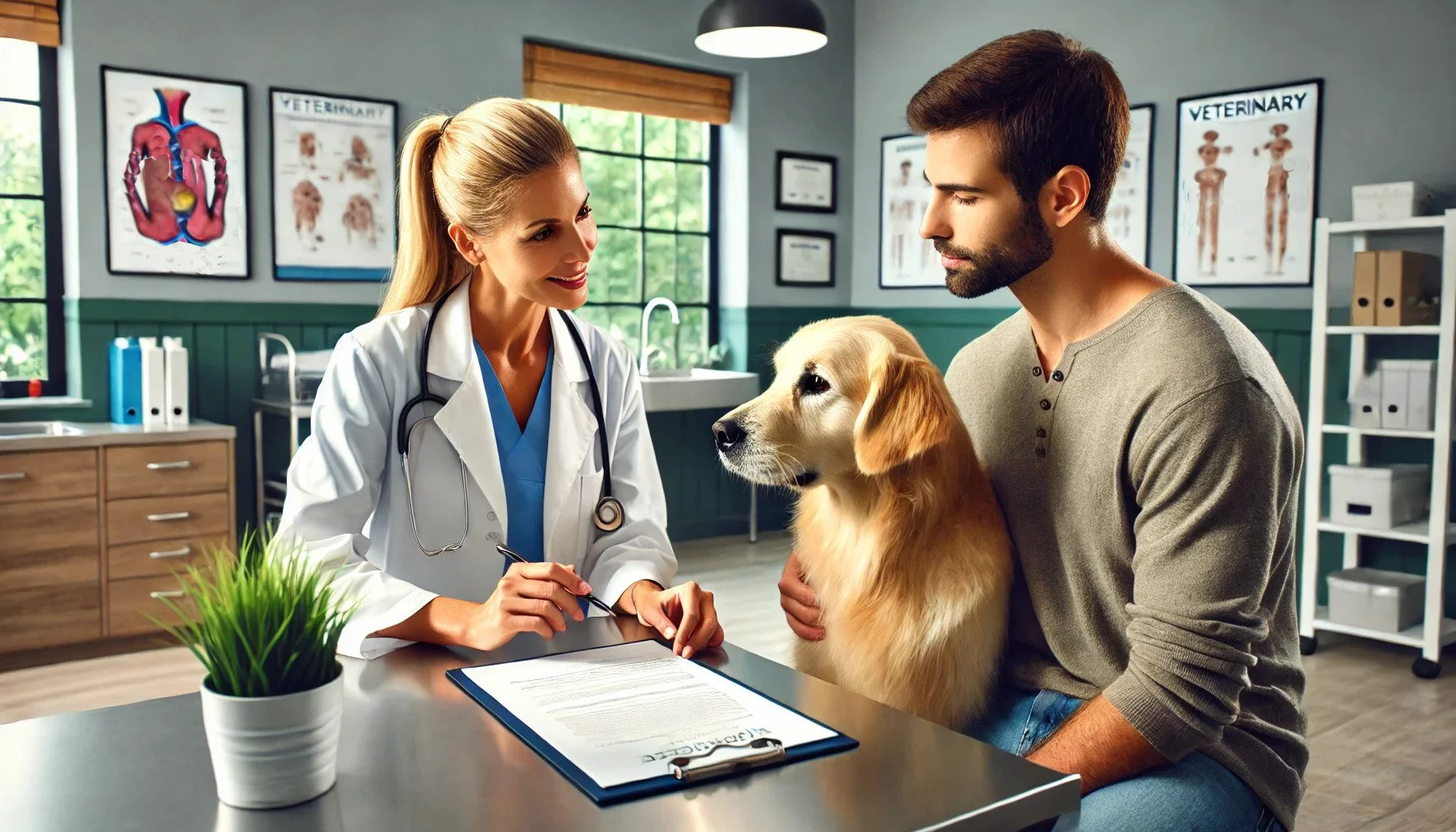
Best Pet Daily - Let’s debunk some myths so you can get a clearer picture of whether pet insurance is for you
Introduction
Welcome to our deep dive into the world of pet insurance! If you've ever found yourself scratching your head, wondering whether pet insurance is worth the expense, or if it's just another way to tug on the heartstrings (and purse strings) of loving pet parents, you're not alone. Today, we're busting some of the most common myths surrounding pet insurance, ensuring you have all the facts to make an informed decision. So, let's get started and unravel these myths together, shall we?
1. Myth #1: "Pet insurance will break the bank!"
Let's crunch some numbers
What does pet insurance really cost?
It’s easy to see why many think pet insurance is an expensive luxury, especially when you’re already juggling vet bills. However, the cost of pet insurance can be quite reasonable, often less than what you might spend on your morning coffee run. Very Basic Plans can start as low as $20 per month and more comprehensive plans can be anything upwards of $30-$50 per month, depending on factors like your pet's breed, age, and the specifics of the policy.
For high risk breeds (French Bulldogs, we love you but you’re amongst these!) the cost might be substantially more… and, you need to appreciate the policy will very likely increase materially each year because the risk escalates as your pet gets “elderly” (it’s different for different breeds, of course… but generally from 9+ years of age).
The real question is, can you afford not to have it when unexpected expenses come knocking? (for some people, they may well have the bank account to manage, so we’re not saying it’s for everyone… but most pet parents should at least consider it).
How skipping insurance can cost more in the long run
Consider this: a single emergency vet visit can cost hundreds, if not thousands, of dollars. For instance, treating a dog for ingestion of a foreign object can climb to over $5,000 if it requires a hospital stay. In comparison, annual premiums for pet insurance might seem like pocket change.
A chronic illness like cancer or a neurological degenerative disease impacting the spine can cost a lot more over an extended period of time.
Essentially, it’s about weighing the small, predictable cost against the risk of a high, unpredictable one. Insurance is all about peace of mind for those 'just in case' scenarios. It’s not just insurance; it’s assurance.
2. Myth #2: "It's only for sick pets."
Why healthy pets might be the best candidates
The perks of insuring your pet while they're healthy
One of the best times to insure your pet is actually when they are young and healthy. Not only do you often get lower premiums, but you also avoid the sticky issue of pre-existing conditions – something not covered by pet insurance. Think of it like a safety net; you hope you never need to use it, but you’ll be glad it’s there if you do. Plus, many policies offer wellness plans that cover regular vet visits and vaccinations, which can promote and maintain your pet’s health from the get-go.
3. Myth #3: "Pet insurance? They barely cover anything!"
Unpacking what pet insurance actually covers
Routine care vs. emergencies: What's really covered?
The belief that pet insurance isn’t comprehensive couldn’t be further from the truth. While it’s essential to read the fine print and understand what each policy from each provider offers, most plans cover a wide range of medical issues from accidents and illnesses to surgeries and even some hereditary conditions. Additionally, you can opt for wellness add-ons that cover vaccinations, annual checkups, and even flea prevention.
Tips for maximizing your policy benefits
To really make the most of your policy, stay informed about what’s covered and what’s not. For example, if your policy covers routine checkups, make sure you’re keeping those veterinary appointments. Some policies even offer perks for ongoing wellness, which can help prevent more serious conditions down the line. Always submit your claims on time, and keep detailed records of your pet’s medical history and health expenses.
4. Myth #4: "They won't cover my pet due to pre-existing conditions."
Finding hope with pre-existing conditions
What are 'pre-existing conditions' in pet insurance terms?
A pre-existing condition is any illness or injury that your pet had before coverage starts. Yes, it’s true that these are generally not covered. However, this doesn’t mean a pet with a pre-existing condition can’t be insured; it just means the particular condition won’t be covered. For everything else, they’re as insurable as the next pet.
How to shop for the best policy for pets with a history
If your furry friend has a pre-existing condition, all is not lost. Some insurers define pre-existing conditions as those which are ongoing, while others may consider a condition 'cured' if it has been symptom-free for a certain period, typically around a year. This can vary widely between policies, so it pays to shop around and ask the right questions. Look for a policy with a clear definition of what constitutes a pre-existing condition and check if there are any exceptions or waiting periods.
5. Myth #5: "Submitting a claim is a nightmare."
True or false? Let's find out!
How to streamline your claim submission process
The process of submitting a claim can sometimes seem daunting, but it doesn’t have to be a headache.
Submitting yourself is pretty easy
Many insurers now offer user-friendly online portals or apps where you can submit claims quickly and track their status in real-time. To ensure a smooth process, keep all your vet receipts and medical records organized, and make sure you understand your policy’s guidelines on how and when to file claims.
Get the Vet to Submit the Claim
Insurers increasingly have their IT platforms connected to the Vet Clinic’s administration systems. If your vet and your pet insurance provider are “connected” like this, the vet clinic can submit the claim for you AND either:
You pay the vet as you normally would (and the pet insurance company reimburses you within a few days as they normally would)… this is convenient; or
You only pay the vet the portion of the vet bill the pet insurance claim does not cover ie the “gap” (because the pet insurance provider pays the vet the remainder)… this is convenient AND better for your cash flow!
Yep, its paperwork and admin and most humans don’t enjoy it at any time!
But most pet owners find that once they get used to the pet insurance claims process, it becomes just another part of pet parenthood – and a worthwhile one at that when you get reimbursed for a big vet bill.
6. Myth #6: "All pet insurance plans are the same."
The varied world of pet insurance
Comparing apples to apples: What to look for in a plan
It’s a common misconception that all pet insurance plans are cut from the same cloth. In reality, the variety of plans available can cater to different needs, budgets, and types of pets. Some policies emphasize coverage for chronic illnesses, others excel in emergency care, and some even offer holistic care options. When comparing plans, focus on what’s important for your pet’s breed and age. Consider the benefits like reimbursement percentages, annual deductibles (or “per condition” excesses), and annual limits. It’s not about finding the cheapest option but the one that offers the best value for your specific situation.
A lot of providers at least offer you the option to decide whether you want a cheaper premium, in lieu of having more to pay out of your own pocket at the point of claim (or the opposite… a more expensive premium but less to pay out of your own pocket in the event of a claim). Having options and being able to decide what suits you and your pet is a good thing.
Tailoring the plan to your pet's unique needs
Every pet is unique, and their insurance should be too. Tailor your pet insurance by choosing add-ons or riders that enhance the base policy. For example, if you have a breed prone to certain hereditary conditions, look for a plan that covers these without significant exclusions. Remember, the goal is to provide the best possible safety net for your pet’s health.
7. Myth #7: "I can’t use my regular vet."
Sticking with your trusted vet
How pet insurance networks operate
Unlike human health insurance, most pet insurance plans allow you to stick with your beloved vet. Most (in most countries) operate on a reimbursement model—you pay out-of-pocket first, then submit a claim to be reimbursed. This system gives you the freedom to choose any licensed veterinarian in the country, or even internationally if you’re traveling (with some policies). So, rest easy; in the vast majority of cases, your pet can still receive care from the vet they know and trust.
8. Myth #8: "Pet insurance is a new, untested market."
A brief history of pet insurance
How pet insurance has evolved over the years
Pet insurance might seem like a modern concept, but it’s been around for decades. In fact, the first pet insurance policy was issued in 1890 in Sweden. By the 1980s, the trend was all around Europe and had reached the United States. And today, it’s a well-established industry globally. This evolution has seen policies become more inclusive and tailored, offering better coverage and more specialized options than ever before.
9. Myth #9: "Pet insurance is only for dogs and cats."
What about my parrot, bunny, or iguana?
Exploring insurance options for exotic pets
While dogs and cats are the most commonly insured pets, and are the apple of our eye here at Best Pet Daily, we thought it worth mentioning there are some providers who now offer options for birds, reptiles, rabbits, and more. So, exotic pet owners can rejoice knowing there’s more than likely to secure coverage for their non-traditional pets! These policies generally cover the same range of services as those for dogs and cats, ensuring your feathered, scaled, or furry friends are well-protected, too.
10. Myth #10: "Pet insurance companies always find a way to not pay."
Debunking the biggest myth of all
Understanding policy terms to ensure coverage
Transparency is key in understanding why some claims are paid and others aren’t. Most issues arise from misunderstandings about what the policy covers.
It’s also important to know when coverage begins.
Many policies offer accident cover from midnight the night of sign-up… but you have to wait 2 to 4 weeks before any illness conditions are covered (and even longer for some illnesses like Cruciate Ligament disease).
Insurers aren’t trying to be difficult.
But covering everything immediately would mean people might not take out the insurance until an accident or illness presents! And that would be like a car insurer taking applications from people after they’d crashed their car. It’s not how insurance works… and allowing this would dramatically increase premiums for everyday people like you and me who take out insurance to protect against future unexpected costs/risks!
Just keep in mind that thoroughly reviewing your policy’s terms and exclusions, keeping up with routine care, and ensuring documentation is complete, can greatly increase the likelihood of having your claims approved.
Conclusion
As we wrap up our myth-busting journey, it’s clear that understanding pet insurance is key to debunking misconceptions and recognizing its value. Whether it's choosing a policy that fits your budget, understanding what your coverage entails, or realizing the benefits of insuring a young, healthy pet, the right information can transform how you view pet insurance. Armed with facts, you can make decisions that ensure your pet’s health while providing peace of mind. Remember, pet insurance isn't just a financial decision; it's a choice that prioritizes the well-being and longevity of your furry family members.
At Best Pet Daily, we are unashamedly advocates of pet insurance just in general terms (btw, we don’t have any commercial relationships with insurers!). But equally, we acknowledge it might not be for everyone. Some people have the capacity to run good sized “emergency bank accounts”, some people have access to credit that will get them out of a pickle. Or a rich aunt who helps you out from time to time! And, if you do, that’s excellent! We simply advocate that, as loving pet parent, you have something in place that prepares you for unexpected vet bills (because you’re bound to get one or more big ones over the lifetime of your precious pet!).
FAQs
1. How do I know if my pet's condition is considered pre-existing?
A condition is typically considered pre-existing if it has been noted, diagnosed, or treated before your insurance policy begins. Some insurers might waive this if the pet has been symptom-free for a certain period—check with your provider for specifics.
2. Can I adjust my coverage after I've chosen a plan?
Most insurers allow you to adjust your coverage (e.g. upgrade, downgrade), especially at the time of renewal. This can be useful as your pet ages or if your financial situation changes.
3. What's the best age to insure my pet?
The earlier, the better. Insuring your pet while they are young and healthy helps avoid complications related to pre-existing conditions and can result in lower premiums.
4. Are there any types of veterinary treatments generally not covered by pet insurance?
Most pet insurance plans do not cover routine and preventative treatments such as vaccinations, flea control, or spaying/neutering unless specifically stated in a wellness add-on. Always read the fine print to understand what's covered.
5. How can I make sure my pet insurance claim is approved?
Ensure that you submit all required documentation, follow up on your vet visits, and file claims promptly. Keep detailed records of all your pet’s health visits and treatments to support your claims. Go a step further and, before you take out pet insurance, check if your local vet has their admin platform connected to any of the insurers (so you can take advantage of the vet submitting the claim on your behalf).
6. Is pet insurance only good value if I get back what I paid in premiums (or more)?
Put it this way, if you don’t get back what you put in, then you’ve been lucky… your pet is healthy. If you get back more than you paid then, absolutely the pet insurance has “worked”, but you’ve been unlucky, because your pet has suffered in some way.
Might take a bit for you to think of it that way… but we hope that thinking helps.
