
How To Help Your Dog Or Cat Lose Weight Safely This Year

Best Pet Daily - Happiness is a healthy-weight pet! (Pic: Digital Artistry)
Pet weight gain rarely happens overnight. It creeps in quietly - an extra scoop here, a few more treats there, shorter walks because life got busy. Before you know it, your dog struggles to jump into the car, or your cat has developed a suspicious-looking “pouch” that wasn’t there last year.
Helping your dog or cat lose weight safely isn’t about shame, blame, or extreme measures. It’s about understanding what healthy pet weight loss actually looks like, why shortcuts are risky, and how small, consistent changes can dramatically improve your pet’s quality of life.
Let’s start with the uncomfortable truth most of us would rather avoid (and don’t miss your 7-Step Plan at the end!).
1. Pet Obesity - The Quiet Health Risk Too Many Pets Face
Pet obesity has become one of the most common - and most underestimated - health issues affecting dogs and cats today. Many pet parents still think of extra weight as “just a bit chubby” or even cute. Unfortunately, your pet’s joints, heart, and organs don’t share that sentiment.
Excess weight in pets is strongly linked to conditions like arthritis, diabetes, heart disease, breathing difficulties, and reduced lifespan. In dogs, obesity accelerates joint degeneration. In cats, it significantly increases the risk of diabetes and liver disease.
What makes pet obesity especially dangerous is how normal it has become. When overweight pets are everywhere, it skews our perception of what “healthy” looks like.
If you want a deeper look at how weight ties into long-term illness, this Best Pet Daily guide is worth bookmarking… Common Pet Illnesses.
Obesity sneaks up on loving pet parents
Most overweight pets belong to loving, attentive households. Weight gain is rarely neglect - it’s miscalculation. Portion sizes drift. Treats stack up. Activity quietly drops as pets age or routines change.
And because weight gain is gradual, it often goes unnoticed until it starts causing visible problems.
2. Is Your Dog Or Cat Actually Overweight?
Before jumping into any weight loss plan, it’s crucial to answer one question honestly: Is my pet actually overweight?
Spoiler alert - guessing doesn’t work.
Understanding body condition scoring
Veterinarians don’t rely on scales alone. They use something called a Body Condition Score (BCS), which assesses fat coverage over ribs, waist definition, and abdominal tuck.
In general:
You should be able to feel your dog or cat’s ribs easily without pressing hard.
Dogs should have a visible waist when viewed from above.
Cats should not have a pronounced belly sag or rounded torso.
If your fingers sink into padding before finding ribs, there’s likely excess fat present.
Visual signs vs what the scales say
Weight alone doesn’t tell the full story. Two pets of the same breed can weigh the same but have very different body compositions. That’s why visual and hands-on assessment matters.
Common signs of overweight pets include:
Reduced stamina
Difficulty grooming (especially in cats)
Reluctance to exercise
Panting with minimal activity
Trouble jumping or climbing stairs
If you’re unsure, your vet can assess body condition in minutes - and that quick check can prevent years of health issues.
3. Why Crash Diets Are Dangerous For Pets
When humans want to lose weight fast, they often turn to extreme calorie restriction or intense exercise. For pets, that approach isn’t just ineffective - it can be dangerous.
Why pets should never lose weight quickly
Safe pet weight loss is slow and steady. Rapid weight loss can shock your pet’s metabolism and lead to serious complications.
In cats especially, sudden calorie restriction can trigger hepatic lipidosis - a potentially fatal liver condition. Dogs may experience muscle loss, nutrient deficiencies, and behavioural changes if weight is lost too quickly.
A safe rule of thumb:
Dogs should lose no more than 1 to 2 percent of body weight per week.
Cats should lose even more slowly.
Anything faster should raise red flags.
When helping actually causes harm
Well-meaning pet parents sometimes cut food portions drastically, skip meals, or eliminate treats entirely. While it feels proactive, it often backfires.
Pets may become lethargic, irritable, or start scavenging and begging more aggressively. Worse, extreme restriction increases the likelihood of rebound weight gain once normal feeding resumes.
Weight loss should support health, not compromise it.
4. What Healthy Weight Loss Really Looks Like For Pets
Healthy pet weight loss isn’t dramatic. It’s boring - in the best possible way.
Safe weekly weight loss targets
A realistic, vet-approved weight loss plan focuses on:
Gradual calorie reduction
Consistent feeding schedules
Increased activity appropriate for age and health
Progress is measured in weeks and months, not days. You’re aiming for sustainability, not speed.
Think marathon, not sprint
Imagine trying to run a marathon without training. That’s what crash diets do to your pet’s body. Instead, healthy weight loss is about building habits that your pet can maintain for life.
This mindset shift is one of the most important steps in pet wellness and prevention.
For a broader look at how daily habits impact long-term health, this Best Pet Daily article ties in perfectly… Secrets to a Longer, Happier Life for Your Pet.
5. Food Comes First - Fixing Portion Sizes Without Guilt
If weight loss were a movie, food would be the main character.
Exercise helps, enrichment matters, but calorie intake drives weight change. Most overweight pets simply eat more energy than they burn.
Portion control basics for dogs and cats
Pet food packaging often overestimates portion sizes. These guidelines are often based on intact, highly active animals - not desexed pets living indoor lifestyles.
Key rules:
Measure every meal using a proper cup or scale.
Feed based on target weight, not current weight.
Stick to scheduled meals rather than free-feeding.
Why “a little extra” adds up fast
That extra handful of kibble. The table scraps. The dental chew. Individually harmless, collectively powerful.
Many treats contain the caloric equivalent of an entire extra meal when scaled to pet size. Weight loss often improves dramatically when treat calories are reduced or replaced with healthier options like vegetables (for dogs) or interactive play (for cats).
6. Choosing the Right Diet for Weight Loss
Not all pet foods are created equal, especially when weight loss is the goal.
Weight management pet foods explained
Weight management diets are formulated to:
Lower calorie density
Maintain protein levels to preserve muscle
Increase fibre to promote fullness
This allows pets to eat satisfying portions without excessive calories.
Prescription diets may be recommended in some cases, especially for pets with obesity-related conditions.
Reading pet food labels like a pro
Marketing buzzwords can be misleading. Focus instead on:
Calories per cup or can
Protein percentage
Ingredient quality and digestibility
Lower calories do not mean lower nutrition - when done correctly.
7. Treats, Snacks, and the Hidden Calorie Trap
Treats are where many well-planned pet weight loss efforts quietly fall apart.
They’re small. They’re frequent. And they often don’t “count” in our minds the way meals do.
Treat alternatives that won’t sabotage progress
For dogs, treats don’t have to disappear - they just need to shrink or change:
Break commercial treats into smaller pieces
Use fresh veggies like carrots or green beans
Reserve treats for training only, not casual snacking
For cats, treats should be used sparingly and strategically. Many cats respond just as enthusiastically to play sessions or food puzzles as they do to edible rewards.
Love does not equal calories
It’s easy to confuse food with affection. But your pet would trade that extra biscuit for pain-free joints and easier movement every single time.
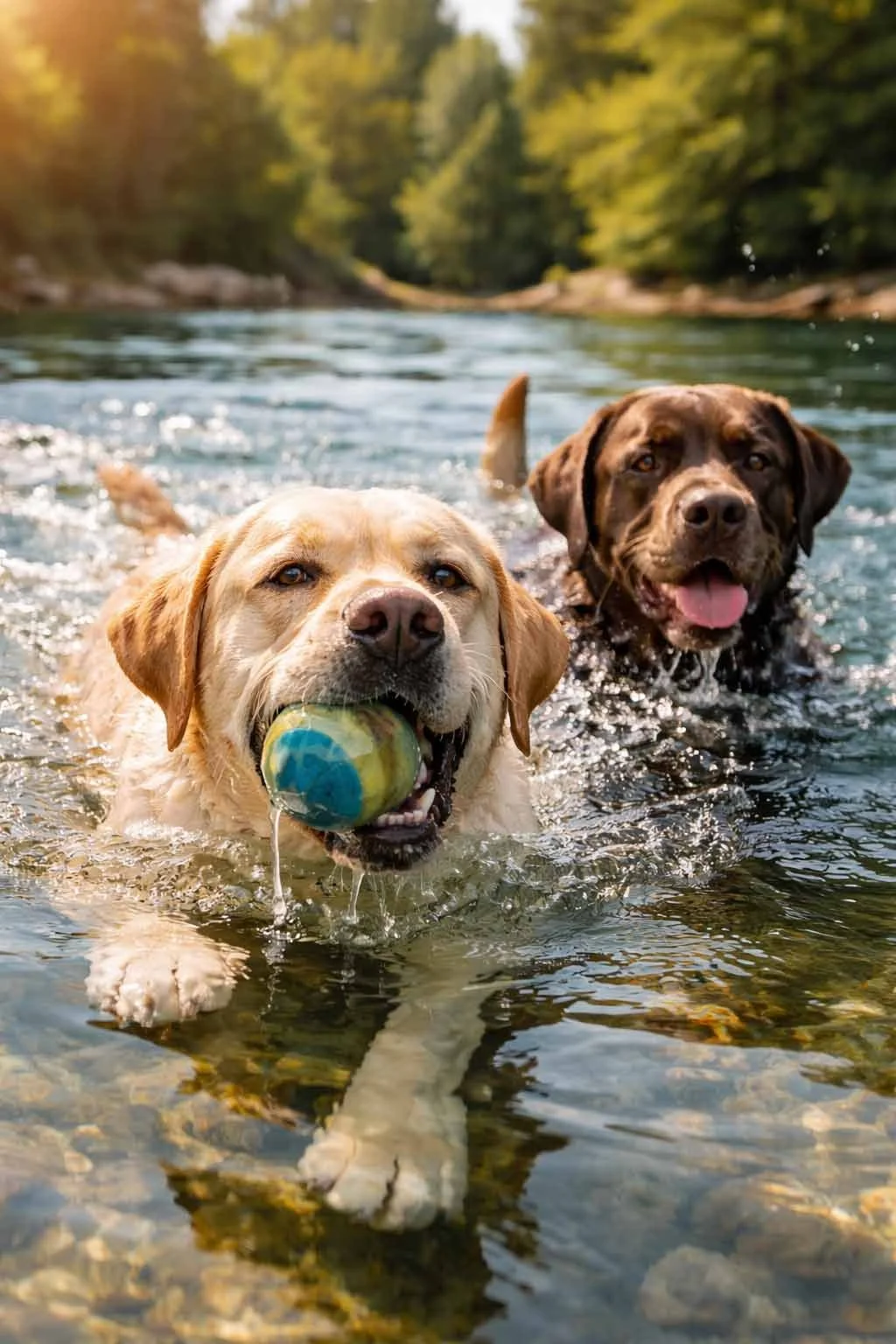
Best Pet Daily - Swimming is a joint-friendly and calorie-burning options most dogs love (Pic - Digital Artistry)
8. Exercise That Actually Works for Dogs
Exercise is critical - but more isn’t always better.
Matching exercise to age, breed, and health
A young Labrador and a senior Dachshund, for example, have very different exercise needs. The goal is consistent, appropriate movement, not exhaustion.
Effective options include:
Longer, slower walks instead of short intense bursts
Swimming for joint-friendly calorie burning
Multiple short walks spread throughout the day
You don’t need a canine CrossFit plan
If your dog is overweight, start where they are. Even a 10-minute increase in daily activity can make a meaningful difference over time.
For age-appropriate ideas, this guide fits might be just what you need… Safe Exercise Ideas for Dogs.

Best Pet Daily - Is there a cat that can resist a wand?! (Pic - Digital Artistry)
9. Helping Indoor Cats Lose Weight Without Stress
Indoor cats face a perfect storm for weight gain - easy food access, limited space, and boredom.
Why cats gain weight so easily indoors
Cats are natural hunters built for short bursts of activity. When food appears effortlessly in a bowl, that instinct disappears.
Weight gain isn’t laziness - it’s biology meeting convenience.
Turning exercise into a hunting game
The most effective way to help a cat lose weight is to make movement feel natural:
Use wand toys that mimic prey
Schedule short play sessions before meals
Scatter kibble or use puzzle feeders
This approach taps into instinct while burning calories.
For more on keeping cats active indoors read this on Best Pet Daily… How to Keep Indoor Cats Healthy and Active.
10. Mental Stimulation - The Overlooked Weight Loss Tool
Weight loss isn’t just physical. It’s mental too.
Food puzzles and slow feeders
Food puzzles slow eating, increase engagement, and reduce boredom-driven snacking. They also encourage light movement and problem-solving.
A tired brain burns calories too
Mental stimulation reduces stress eating in pets just as it does in humans. Enrichment isn’t optional - it’s part of wellness.
11. Monitoring Progress Without Obsessing
Progress tracking should inform, not intimidate.
Weigh-ins, photos, and body checks
Weigh pets every 2 to 4 weeks. Take photos from above and the side. Use body condition scoring, not just numbers.
Plateaus are normal
Weight loss slows. Bodies adapt. This doesn’t mean failure - it means adjustment.
12. When to Involve Your Vet (and Why It Matters)
Some pets struggle to lose weight despite doing everything “right.”
Underlying conditions that affect weight
Hormonal disorders, arthritis, and metabolic conditions can all interfere with weight loss. Vet input ensures you’re not fighting biology blindly.
Teamwork beats guesswork
Vet-guided plans are safer, more effective, and far less stressful.
13. Preventing Weight Gain Once the Goal Is Reached
Reaching a healthy weight is not the finish line.
Transitioning to maintenance calories
Increase food slowly. Continue monitoring. Adjust early.
Prevention is easier than another diet
Most pets regain weight when old habits creep back in. Awareness prevents relapse.
14. Common Weight Loss Mistakes Pet Parents Make
Emotional feeding
Food should never replace attention, stimulation, or routine.
Inconsistent routines
Consistency beats perfection every time.
15. A Seven Step Action Plan for this Year
Think of this as a reset, not a regime. You don’t need to do everything at once - just start with Step 1 and build from there.
Step 1 - Get an honest starting point
Check your pet’s body condition score or ask your vet to assess it. Photos and a starting weight help you track real progress, not guesswork.
Step 2 - Measure every meal
Eyeballing portions is one of the biggest causes of pet weight gain. Measure food accurately and feed based on your pet’s target healthy weight, not their current one.
Step 3 - Tidy up treats
Treats count. Swap high-calorie snacks for smaller portions, healthier alternatives, or non-food rewards like play, pats, or praise.
Step 4 - Add gentle, consistent movement
Daily movement matters more than intensity. Longer walks, extra play sessions, or food puzzles all add up without stressing joints or lungs.
Step 5 - Make meals work harder
Use slow feeders, puzzle toys, or scatter feeding to increase mental stimulation and reduce boredom eating - especially for indoor cats.
Step 6 - Track progress monthly, not daily
Weigh-ins every 2 to 4 weeks are enough. Look for trends, not perfection. Plateaus are normal and part of the process.
Step 7 - Lock in prevention habits
Once your pet reaches a healthier weight, adjust portions slowly and keep routines consistent. Preventing weight regain is far easier than starting over.
16. A Healthier Year Ahead for You and Your Pet
Helping your dog or cat lose weight safely isn’t about restriction - it’s about protection.
Small changes, done consistently, can add years of comfort, mobility, and happiness to your pet’s life.
Progress beats perfection. Always.
Conclusion
Safe pet weight loss is one of the most powerful gifts you can give your dog or cat. By focusing on portion control, appropriate movement, mental stimulation, and long-term habits, you’re not just helping your pet slim down - you’re actively investing in their future health, comfort, and longevity.
FAQs
1. How long does it take for a dog to lose weight safely?
Most dogs take several months to reach a healthy weight. Slow progress is safer and more sustainable.
2. Is weight loss harder for cats than dogs?
Yes. Cats are more sensitive to calorie restriction and require slower, carefully managed plans.
3. Can treats still be part of a weight loss plan?
Yes - but they must be measured, reduced, or replaced with low-calorie alternatives.
4. Should senior pets still try to lose weight?
Often yes, but under vet guidance to protect joints and muscle mass.
5. When should I worry about lack of progress?
If there’s no change after 6 to 8 weeks, consult your vet to rule out underlying issues.

Best Pet Daily - Click the red Pinterest “Save” button in the top LHS of the pic.
Read Later or Share?
Why not pin this article to Pinterest, so you can read it later… or share it with friends or family who love pets, too?
It’s easy!
Just click the red Pinterest “Save” button in the top left-hand side of any image in this article.
Done!
